In this article, we will explain how to configure DMARC records in cPanel for email authentication. DMARC is the protocol that uses SPF and DKIM to govern the authenticity of an email message.

Follow the simple steps to configure DMARC records in cPanel-
  1. Log in to cPanel.
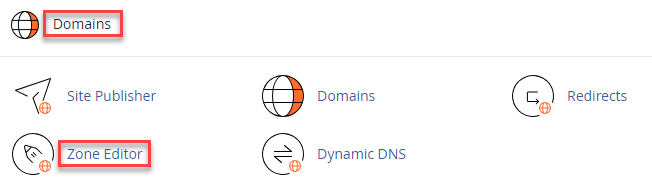
  2. Select the “Domains” section and click on the “Zone Editor” sub-option.
    Zone Editor
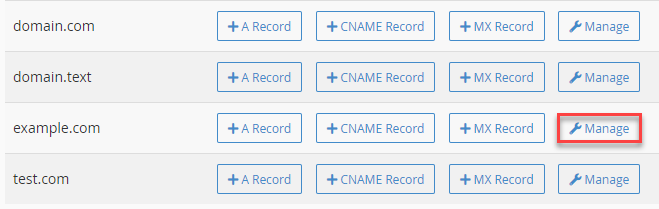
  3. Select the domain and click on the “Manage” button.
    Manage
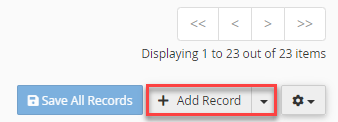
  4. You will enter a new page, click “+Add Record” button.
    Add-Record
  5. Fill the details-
  6. Name- Enter the name as “dmarc”. The domain will automatically populate when you type “dmarc.”
  7. TTL- 14400
  8. Type- Select the type using the drop-down menu.
  9. Record- 1. Specify how recipient servers should handle emails from your domain that fail SPF/DKIM validation by choosing from the options below:
    None: v=DMARC1; p=none; sp=none; rf=afrf; pct=100; ri=86400
    Reject: v=DMARC1; p=reject; sp=none; rf=afrf; pct=100; ri=86400
    Quarantine: v=DMARC1; p=quarantine; sp=none; rf=afrf; pct=100; ri=86400
  10. You have the option to request a review for an email report with unsuccessful DMARC validations by including a valid email address, as illustrated below-
    None: v=DMARC1; p=none; sp=none; ruf=mailto:[email protected]; rf=afrf; pct=100; ri=86400
    Reject: v=DMARC1; p=reject; sp=none; rf=afrf; pct=100; ruf=mailto:[email protected]; ri=86400
    Quarantine: v=DMARC1; p=quarantine; sp=none; ruf=mailto:[email protected]; rf=afrf; pct=100; ri=86400
  11. Click on the “Save record” button once you fill in the details.Save-record
  12. You will receive a success message as shown below.
    success message

This way you can Configure DMARC Records in cPanel. If you liked our article, then you will surely love our support.

To SPF, DKIM, And DMARC configurations effectively, refer to our knowledge base on How To Configure SPF, DKIM, And DMARC Records

 

Popular Posts You May Read

Explore more hosting insights, tips and industry updates.

A little about PHP-NUKE

PHP-Nuke is an open-source Content Management System (CMS) built on PHP and MySQL. Originally developed…

SSD Security: Limitations of Encryption Software For Securing SSDs

This article offers background, explanations, and tips to aid in decision-making when encrypting SSD drives…

How to Utilize the Skeleton Directory in WHM

In this article, we have explained how to utilize the skeleton directory in WHM. The…