Cloud Server Hosting Contract Agreement
Contract between cloud server hosting provider and client: It’s always better to have a contract…

 Paul Lopez
As businesses grow, their online requirements also increase. Websites receive more visitors, applications handle more users, and customer expectations continue to rise. A hosting environment that works well for a small business may not always support long-term growth. Performance issues, downtime, and limited resources can affect both customer experience and business operations.
This is why many companies move toward scalable hosting solutions that can adapt to changing demands. Managed Cloud Hosting provides the flexibility businesses need to handle growth without major infrastructure limitations. It allows companies to adjust resources based on workload requirements while maintaining stable performance.
This article explains why scalable hosting is important for growing businesses and how it supports long-term success.
Cloud web hosting is a hosting environment that uses multiple connected servers to manage websites, applications, and data. Instead of relying on a single server, resources are distributed across a network of servers. The scalability of this setup allows businesses to increase or reduce server resources as needed. CPU, RAM, storage, and bandwidth can be adjusted based on traffic and workload requirements. This flexibility helps businesses maintain performance even during periods of rapid growth or high user activity.
As businesses expand, their websites and applications often experience higher traffic levels. More visitors, transactions, and online interactions can place additional pressure on server resources. Modern businesses also rely on applications such as CRM systems, SaaS platforms, customer portals, and cloud-based tools. These systems require a stable infrastructure to perform efficiently. Without scalable hosting, businesses may experience slow loading speeds, downtime, or resource limitations during important periods. Flexible infrastructure helps companies respond to changing business demands more effectively.
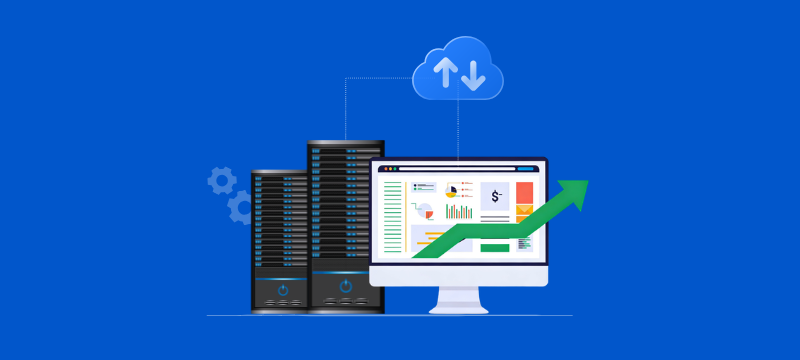
These key benefits explain how scalable cloud hosting improves performance, supports business expansion, reduces downtime risks, and manages growing resource demands efficiently.
Scalable hosting offers several practical advantages for growing companies. Businesses can adjust resources quickly during periods of increased demand without major technical changes. Improved uptime and disaster recovery support also help maintain business continuity. Faster application deployment allows businesses to launch new services more efficiently. Stable website performance and faster loading speeds improve customer experience, which can support better engagement and long-term retention
The difference between traditional hosting and scalable hosting becomes more noticeable as business requirements increase.
| Feature | Traditional Hosting | Scalable Cloud Hosting |
|---|---|---|
| Scalability | Limited | Flexible |
| Downtime Risk | Higher | Lower |
| Resource Allocation | Fixed | Adjustable |
| Performance | Can vary | More stable |
| Infrastructure Flexibility | Limited | High |
For growing businesses, scalable hosting offers better flexibility and long-term reliability.
Many industries can benefit from scalable hosting infrastructure. E-commerce businesses often experience traffic spikes during sales events and seasonal promotions. SaaS platforms require stable infrastructure to support increasing user activity and application performance. Media and content websites also benefit from scalable resources because they often manage high traffic volumes and large media files. Startups and growing businesses can use scalable hosting to expand operations gradually without large infrastructure investments.
Choosing the right hosting provider is important for maintaining performance and reliability. A trusted provider like bodHOST can help businesses manage growth more effectively with flexible and scalable hosting solutions. Businesses should look for providers that offer SSD storage, strong uptime guarantees, flexible scaling options, backup support, and advanced security features. Reliable technical support is also important because quick issue resolution can help minimize downtime and maintain business continuity.
Businesses should monitor server usage regularly to understand how resources are being used. Tracking traffic patterns and application performance can help identify when scaling is required. Regular backups are also important for protecting business data. Security settings should be updated consistently to reduce risks and maintain system stability. Planning for future growth can help businesses scale resources more efficiently while avoiding unexpected performance problems.
Businesses using limited hosting infrastructure may experience performance issues as traffic increases. Slow loading times, downtime, and restricted resources can negatively affect customer experience. Without flexible infrastructure, expanding business applications and supporting additional users can become more difficult. Resource limitations may also affect long-term business growth. Scalable hosting helps reduce these challenges by providing flexible resource management and improved infrastructure reliability.
Growing businesses need hosting infrastructure that can adapt to changing demands without affecting performance or reliability. Scalable hosting solutions help businesses manage higher traffic, expanding applications, and increasing operational requirements more efficiently. With flexible resource allocation, improved uptime, and better scalability, businesses can maintain stable performance while preparing for future growth. For companies planning long-term digital expansion, scalable hosting provides a reliable foundation for continued success.
For more information, read the blog: How AI-Powered Cloud Hosting Works: A Complete Guide

Explore more hosting insights, tips and industry updates.
Contract between cloud server hosting provider and client: It’s always better to have a contract…
The year 2013 marked a turning point for Cloud-as-a-Service, as businesses rapidly embraced cloud technologies…
Cloud web hosting services are well known today and most enterprise companies prefer cloud web…