
Improve your SEO using HTML Headings
There are many ways for you to get recognized on the internet. You should develop…

 Paul Lopez
Don’t you want your website to be the fastest and the best-performing ever? When it comes to performance, every millisecond counts. A sluggish website not only irritates visitors but also affects search rankings and conversions. One of the main factors behind slow-loading pages is Time to First Byte. It is the time taken by the web server to send the first byte of data to a user’s browser. Hence, reducing TTFB is one of the most effective ways to enhance page load times, improve user experience, and strengthen SEO performance.
In this blog post, we will discover what TTFB is, why it matters, and the most effective strategies to optimise it for faster, smoother website performance.
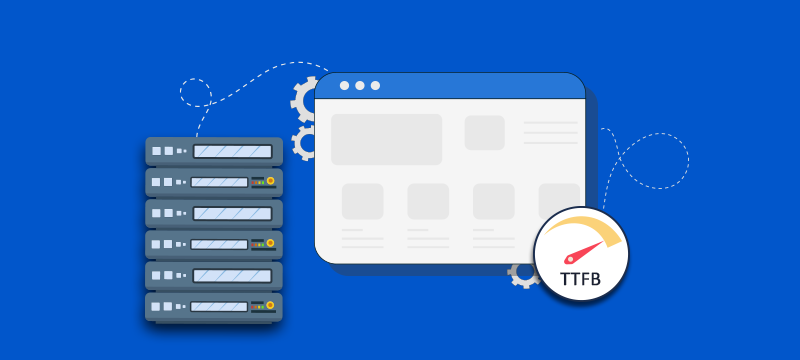
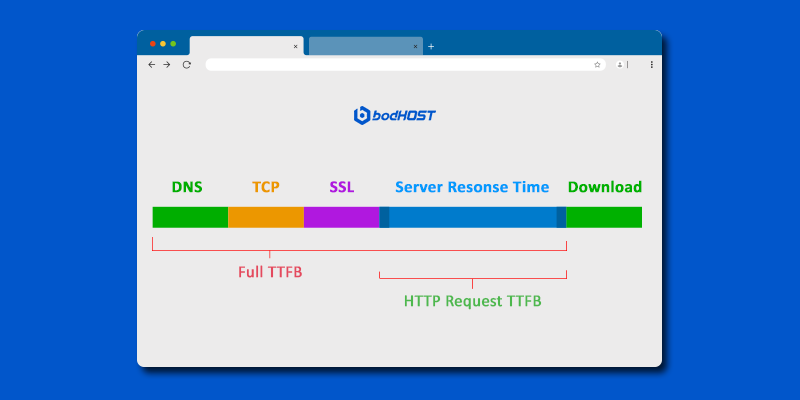
It is a web performance statistic called Time to First Byte (TTFB) that calculates how long it takes a browser to send an HTTP request to a server and get the first byte of data. Sending a request, having the server process it, and receiving the first bit of data back are all included.
To clarify it briefly, TTFB shows how fast your hosting server responds. While a higher TTFB denotes server-side delays, a lower TTFB indicates your site loads more quickly. You may greatly improve server response time and provide consumers throughout the world with improved website performance by understanding and lowering TTFB.
What TTFB Measures?
TTFB includes several components that together determine how fast your site begins loading:
Time to First Byte (TTFB) is an important metric that affects how quickly your website loads and performs. It plays a direct role in user experience, search engine rankings, and overall site reliability. Optimizing TTFB ensures that visitors receive content faster, reducing frustration and increasing engagement, while also providing a solid foundation for improving overall page speed and website performance.
A high Time to First Byte can meaningfully slow down your website, irritate visitors, and affect SEO performance. Several technical factors contribute to a slow TTFB, often stopping from server, network, or website-level issues. Understanding these causes is the first step toward improving your site’s speed and overall user experience.
Reducing TTFB involves optimizing both your hosting environment and site configuration. Here’s how to achieve it effectively:
A good Time to First Byte typically falls below 200 milliseconds. Websites with a TTFB between 100–200 ms are considered fast, while anything above 500 ms indicates potential server or configuration issues. The optimal TTFB depends on factors like hosting quality, caching setup, and geographic distribution, but constantly aiming for under 200 ms confirms your site delivers quick, responsive performance and meets both user expectations and SEO benchmarks.
Measuring your site’s Time to First Byte (TTFB) is simple with the help of various reliable tools. You can use Chrome DevTools by opening the Network tab, reloading your page, and checking the ‘Timing’ tab to view the TTFB value. Another useful option is KeyCDN’s performance test, which measures TTFB from multiple global locations to show how quickly your server responds worldwide. WebPageTest is another powerful tool that provides a detailed breakdown of your website’s loading process, including TTFB metrics. Similarly, GTmetrix offers insights into TTFB along with overall page speed scores and practical optimization suggestions.
This way, optimizing Time to First Byte (TTFB) is one of the most effective ways to enhance page load times and overall website performance. A fast TTFB guarantees users can access your content quickly, improves search engine rankings, and delivers a smoother browsing experience. To maintain peak speed and reliability, regularly monitor your TTFB using trusted tools, fine-tune your server configurations, and choose a high-performance hosting solution such as managed web hosting or Linux VPS hosting. These hosting options provide optimized server environments, proactive management, and enhanced resource allocation, helping your website perform reliably at its best.
Want faster website performance? Read: How a CDN Optimizes Your WordPress Site for Better Speed and Reliability

Explore more hosting insights, tips and industry updates.
There are many ways for you to get recognized on the internet. You should develop…
Web site is a very useful thing to improve your business. Website building is a…
Do you need to host an application but are unsure how it works or why…